

The Body as Amanah & Wellness as Worship in Islam
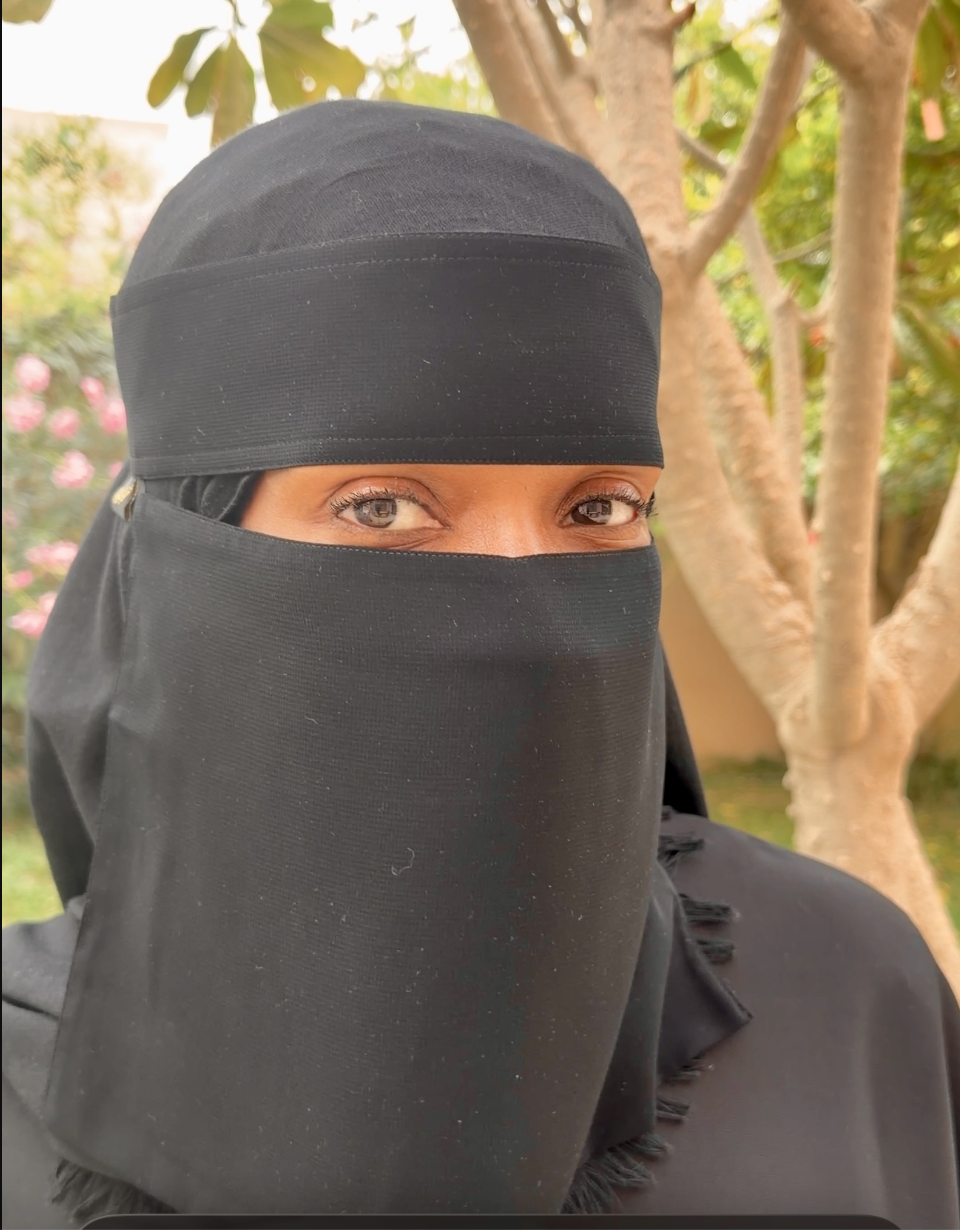

The Body as Amanah: How Islam Reframes Physical Wellness as Worship
Ask yourself something. When you work out, or when you skip working out, who are you doing it for?
For most of my life, if you had asked women that question, the honest answers would have been about appearance. To look good in clothes. To lose the baby weight. To prepare fr a wedding. To not feel embarrassed at a family gathering. The fitness industry built an empire on those answers. It taught women that their bodies exist to be looked at, and that exercise is the price you pay for the way you look.
Islam teaches something completely different. And once you truly understand it, you can never look at your body the same way again, Inshallah.
A Trust, Not a Possession
The Prophet ﷺ said, "Your body has a right over you." Sit with that for a minute. Your body has rights. Over you. Not the other way around.
In our deen, the body is an amanah. A trust. Allah gave it to you to carry, to care for, and to use in His service, and one day you will answer for how you treated it. It was never fully yours. It is something you were blessed with, Alhumdullilah.
Now think about what that changes. If my body is a trust, then feeding it well is not vanity. It is responsibility. Moving it is not about being seen. It is about maintenance of something I have been entrusted with. Resting it is not laziness. It is care. Every single act of looking after this body becomes an act of fulfilling a trust, and fulfilling a trust is worship because it is obedience.
I wrote before about how Islam has always been a wellness religion. This is the heart of why. The whole framework was already there, waiting for us. We just stopped seeing it.
What Changes When You Train for Allah
Let me share with you what happens when a woman shifts her intention from appearance to amanah. I have watched it happen many times over my twenty years in this work, and it happened to me too, alhumdullilah.
The pressure lifts. That is the first thing. When you train to honor a trust instead of chasing a body shape, you stop measuring yourself against other women. You stop punishing yourself with exercise after eating. You stop the cycle of extreme effort followed by extreme guilt. Your body is not a project to fix. It is a gift to maintain.
The consistency comes. This one surprised me. When the goal was appearance, motivation came and went with my mood and my mirror or the occasion I was getting ready for. When the goal became stewardship, showing up got easier. You don't skip caring for something sacred just because you don't feel like it today. You water the plant anyway. I garden, so believe me, I know. My pomegranate tree does not care about my mood.
And inevitably the reward changes. Barakallahu feeki, this is the most beautiful part. With the right intention, your workout is not just a workout anymore. The scholars have long taught that ordinary permissible actions become rewardable acts when done with the intention of obeying Allah. Strengthening the body He gave you, so you can pray with strength, care for your family with energy, and live your purpose fully. That is worship. Your morning session can be worth more than sweat.
The Two extremes we fall into
Sisters, here is where I want to be honest with you, because I have seen sisters fall off both sides of this horse.
Some of us neglect the body completely in the name of focusing on the spiritual. We treat exercise as worldly, self-care as indulgent, and exhaustion as a sort of piety. But neglecting an amanah is not piety at all. If someone handed you their most precious possession to guard and you let it fall apart, would you call that devotion? I don't think so.
Others of us fall into the obsession the culture sells us. Tracking every bite, judging every photo, letting the body become an idol we serve instead of a trust we carry. That is not our way either. The Prophet ﷺ was moderate in everything. From his sunnah we learn balance. He ate simply, moved daily, rested deliberately, and never made his body the center of his existence.
The amanah framework saves us from both. Care without obsession. Effort without punishment. Attention without worship of the self.
Start Here
If this way of thinking is new to you, don't overhaul your whole life this week. Just change one thing. Your intention (niyyah).
Before your next workout, or your next walk, or even before you drink your water in the morning, just pause and make the intention that this is care for the trust Allah gave you. Subhanallah, that's it. Same action, new heart behind it. Watch what it does to you over time.
Because the truth is, you were never just working out. You were fulfilling something prescribed. Islam knew this all along.
References & Sources
1. The Prophet ﷺ said: "...your body has a right over you..." — from the hadith of Abdullah ibn Amr (رضي الله عنهما), Sahih al-Bukhari (5199) and Sahih Muslim (1159).
2. On permissible acts becoming worship through intention: "Actions are only by intentions..." Sahih al-Bukhari (1) and Sahih Muslim (1907), from Umar ibn al-Khattab (رضي الله عنه).
3. Ibn al-Qayyim, At-Tibb an-Nabawi (The Prophetic Medicine) — on the preservation of health as one of the foundations of the Prophetic guidance. English translation: Healing with the Medicine of the Prophet ﷺ, Darussalam.
4. Abu Iyaad Amjad Rafiq, "The Medicine of the Heart and Body Is of Three Types and the Heart's Health Is a Foundation for the Body's Health," HealthyMuslim.com (2019).
5. "The Legislation of Ways and Means to Increase Lifespan and Sustenance: Ibn Taymiyyah, Al-Albani, Al-Fawzan," HealthyMuslim.com — on taking the lawful means for health and long life as part of the Shariah.






Join The Community
Be among the first.
Sign up for a free 7-day trial and look at everything we're building.